



Roofer & Builder

Standard and Lime Mortar Repointing

Brick Repointing in Liverpool

Weathered, cracked or missing mortar can allow water to penetrate masonry and gradually affect the appearance and condition of a building.

Roofer & Builder provides professional brick repointing across Liverpool, Merseyside, Wirral and surrounding areas. We undertake both standard mortar repointing and traditional lime mortar repointing for suitable properties.

Our experienced team will assess the brickwork, consider the existing mortar and recommend a repointing approach appropriate for the age, condition and construction of the building.

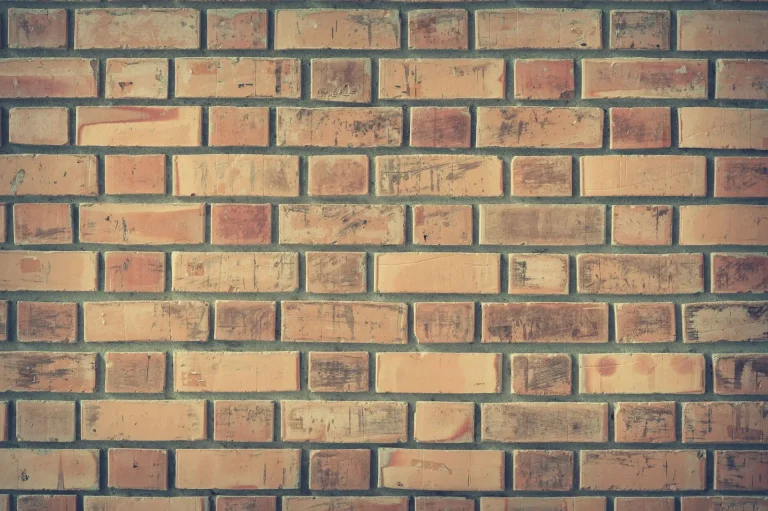
Repointed brick wall with fresh mortar joints
Rated Excellent on Google
32 reviews · 20+ years’ experience

Protecting and Restoring Your Brickwork

Mortar joints form an important part of a masonry wall. Over time, exposure to rain, frost, wind and general weathering can cause mortar to crack, erode or fall away.

Repointing involves carefully removing deteriorated mortar from the joints and replacing it with new mortar suited to the existing masonry.

The correct mortar is important. Modern brickwork may be suitable for a conventional cement-based mortar, while many older and traditionally constructed properties require a more breathable lime mortar that works with softer bricks and historic masonry.

Using a mortar that is too hard for the surrounding brickwork can contribute to trapped moisture and damage to the masonry, which is why the existing materials should be considered before work begins.

Matching the Joint Finish and Colour

In short: good repointing is as much about the finish as the mortar. The shape of the joint and the colour of the mix both affect how well a wall sheds rain and how the repair looks, so we match them to the existing brickwork.

  • Bucket handle: a shallow curved recess that compresses the mortar surface and sheds water well.
  • Weatherstruck: angled so the top of the joint sits slightly back and the bottom is flush, throwing water off each course.
  • Flush: finished level with the brick face, often used with lime mortar on older or worn bricks.
  • Recessed: set back for a strong shadow line, but it leaves a ledge for water, so it suits sheltered walls better than exposed ones.

We avoid ribbon or strap pointing, where mortar is built out proud of the brick face, because it traps water against the bricks and tends to crack away. Mortar colour comes mainly from the sand, and new pointing usually looks brighter at first before toning down, so a small trial area helps confirm the match.

When Repointing Is Not the Whole Answer

Repointing only deals with the joints, so we look for signs that something else is affecting the wall:

  • Stair-shaped cracks that zigzag along the joints can indicate movement, which needs investigating before it is pointed over.
  • Horizontal cracks repeating every few courses in a cavity wall can be a sign of corroded wall ties.
  • Saturated brickwork below a leaking gutter or downpipe will keep eroding new mortar until the guttering is put right.
  • Lead flashings at roof abutments are wedged into the mortar joints, so pointing along these junctions is often combined with lead flashing repairs.

Repointing a chimney is usually done alongside checks on the flaunching, pots and flashing, covered on our chimney repairs page. Where wider defects come to light, our building works team can assess them.
Brick Pointing

Our Repointing Services

01

Standard Brick Repointing

We remove loose and deteriorated mortar and repoint suitable modern brickwork using an appropriate mortar mix selected for the existing construction.

02

Lime Mortar Repointing

Older buildings may require lime mortar rather than a modern cement-based mix. We undertake lime repointing where this is appropriate for the existing masonry.

03

Localised Repointing Repairs

Where deterioration is limited to a defined area, localised repointing can restore damaged joints without unnecessarily repointing the entire elevation.

04

Full Wall and Elevation

Where mortar deterioration is widespread, larger sections or complete elevations may require repointing to provide a more consistent and effective repair.

05

High-Level Repointing

Parapets and other high-level masonry can deteriorate quickly due to exposure. We undertake repointing and repairs where safe access can be provided.

06

Brickwork and Mortar Repairs

Where damaged mortar is accompanied by deteriorated bricks, we can assess whether local brick replacement or other masonry repairs are also required.

How It Works

How We Approach Repointing Work

1

Assess the Existing Brickwork

We inspect the visible condition of the mortar joints, surrounding bricks and areas of deterioration for repair or replacement.

2

Consider the Existing Mortar

We assess the type and condition of the existing mortar and consider whether standard or lime-based is more appropriate.

3

Prepare the Mortar & Joints

3. Prepare the Mortar & Joints Loose and deteriorated mortar is carefully removed to a suitable depth so the new mortar can be properly placed within the joint.

4

Repoint the Masonry

The joints are repointed using the agreed mortar and finished to suit the existing brickwork and character of the property.

Why Us

Why Choose Roofer & Builder?

Liverpool-Based Builders

We are based in the Liverpool area and undertake repointing work throughout Merseyside, Wirral and neighbouring locations.

Standard and Lime Repointing

We work with both conventional and lime-based mortar systems depending on the age, condition and construction of the property.

Building and Roofing

Repointing often forms part of wider external repair work. Our combined building and roofing experience allows us to consider the surrounding structure.

Localised and Larger Projects

We undertake smaller repair areas as well as more extensive wall, elevation and chimney repointing projects.

Clear Advice and Quotations

We assess the condition of the masonry, explain the recommended work and provide a clear quotation before proceeding.

Associated Masonry Repairs

Where repointing reveals damaged bricks or other defects, we can assess the additional building repairs required.

Rated as Excellent on Google

See What Our Customers Think

Rated ExcellentBased on 32 Google reviews

I had an issue with my flashing so had six roofers out to quote… John was the only one of the six who seemed genuine and trustworthy. This turned out to be the case… he did the work for a fair price, gave a proper invoice with breakdown of work, communicated well and left it all tidy. One of the firms who quoted said we needed a new roof (we didn’t). It’s so important to get several quotes and trust your gut. Thank you!

Natasha PritchardGoogle review

I cannot recommend John and his team enough. I had water leaking through my ceiling after a storm (3 days before Christmas!). John and his team were able to attend the same day. John was very knowledgable, assessed and explained the damage with photographs, and gave me repair options on other problems that were found. The team completed all the work the same day and really went above and beyond to do a great job rather than just a patch up. They’ve saved me a lot of stress and were pleasant and professional to deal with throughout. I will be contacting John again for future work.

Hannah GregoryGoogle review

Roofer and Builder have just completed gutter and rain pipe replacement around our whole house. They were a delight to deal with – friendly, helpful and very efficient. The work was done by a team of five in a single day and was to a high standard. They cleaned up carefully on completing the work. Maybe not the cheapest but probably the best.

Robert HodgkissGoogle review

FAQs

Brick Pointing FAQs

Brick repointing is the process of removing deteriorated mortar from the joints between bricks and replacing it with new mortar. This helps restore the condition of the masonry and reduce water penetration through damaged joints.

Common signs include cracked mortar, loose joints, gaps between bricks, crumbling mortar and areas where the joint has worn noticeably back from the face of the brickwork.

Standard repointing commonly uses a cement-based mortar suited to many modern buildings. Lime mortar is generally softer and more breathable, making it more appropriate for many older and traditionally constructed properties.

Yes. A mortar that is too hard or unsuitable for the surrounding masonry can restrict moisture movement and contribute to damage in softer bricks or historic materials. The existing construction should be considered before repointing begins.

Yes. Localised repointing can be suitable where deterioration is limited to a particular area. More extensive repointing may be recommended where mortar failure is widespread.

The cost depends on the size and height of the area, access requirements, the condition of the existing mortar and whether standard or lime mortar is required. We will assess the work and provide a quotation based on the agreed scope.

Repointing is best avoided when frost is forecast, and lime mortar in particular needs protecting from frost, heavy rain and fast drying while it hardens. Spring to early autumn is generally the most reliable period, especially for lime work. Before filling, the joints are raked out, typically to around twice their width, then brushed and dampened so dry bricks do not draw water from the new mortar.

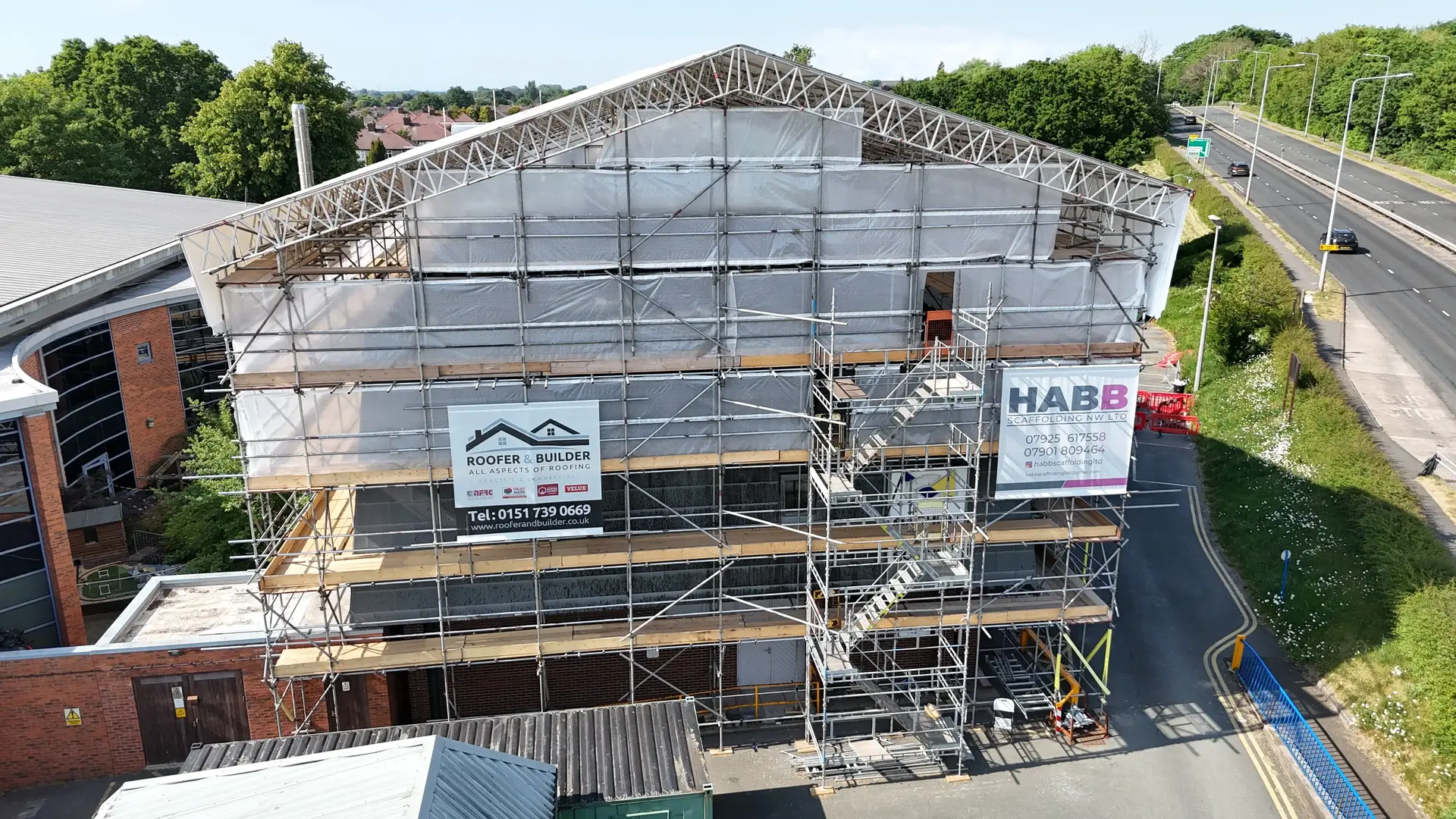
It depends on the height and position of the work. Low garden walls and ground-floor brickwork can often be reached safely without it, but gable ends, upper storeys and parapets normally need scaffolding or a tower. Access is planned to suit the job, following HSE advice on work at height, and itemised in your quotation.

Building under scaffolding with Roofer & Builder site banners

Get a Quote

Have Something You'd Like Us to Price?

If there’s something you’d like our team to take a look at, then feel free to contact us. We’re happy to discuss your project and provide a competitive quote.

Head Office

Maghull Business Centre, 1 Liverpool Road North, Maghull, Liverpool L31 2HB

Opening Hours

Office: Mon–Sat 10:00–18:00
Emergency line: 24/7

Phone Number