


What We Check During a Roof Inspection
A useful inspection covers the whole roof, not just the tiles you can see from the street. Depending on the roof and safe access, we check:
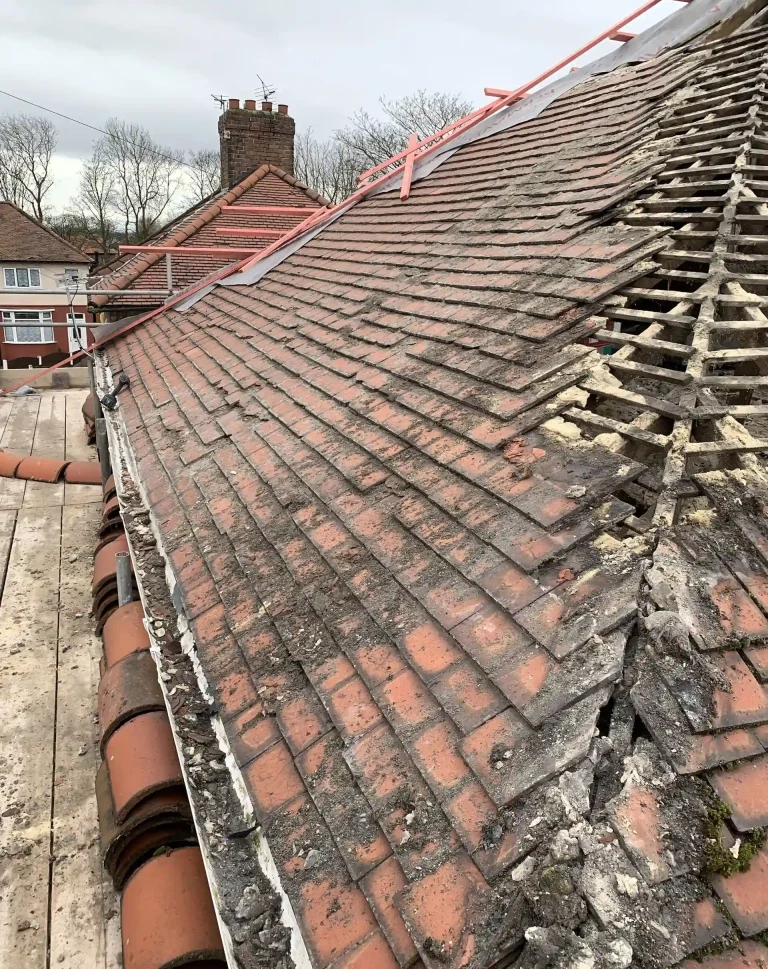
- The roof covering – slipped, cracked, missing or porous tiles and slates, and signs of nail fatigue
- Ridges, hips and verges – loose or missing tiles and cracked mortar
- Chimney stacks – pointing, flaunching, pots and brickwork
- Flashings and valleys – split, slipped or lifted lead, and valleys blocked with debris or moss
- Gutters, fascias and downpipes – blockages, leaking joints, sagging runs and rot
- Flat roofs – splits, blisters, ponding water and worn edges and joints
- The loft space – felt or membrane, battens and timbers, daylight through the covering, water staining, damp insulation and condensation
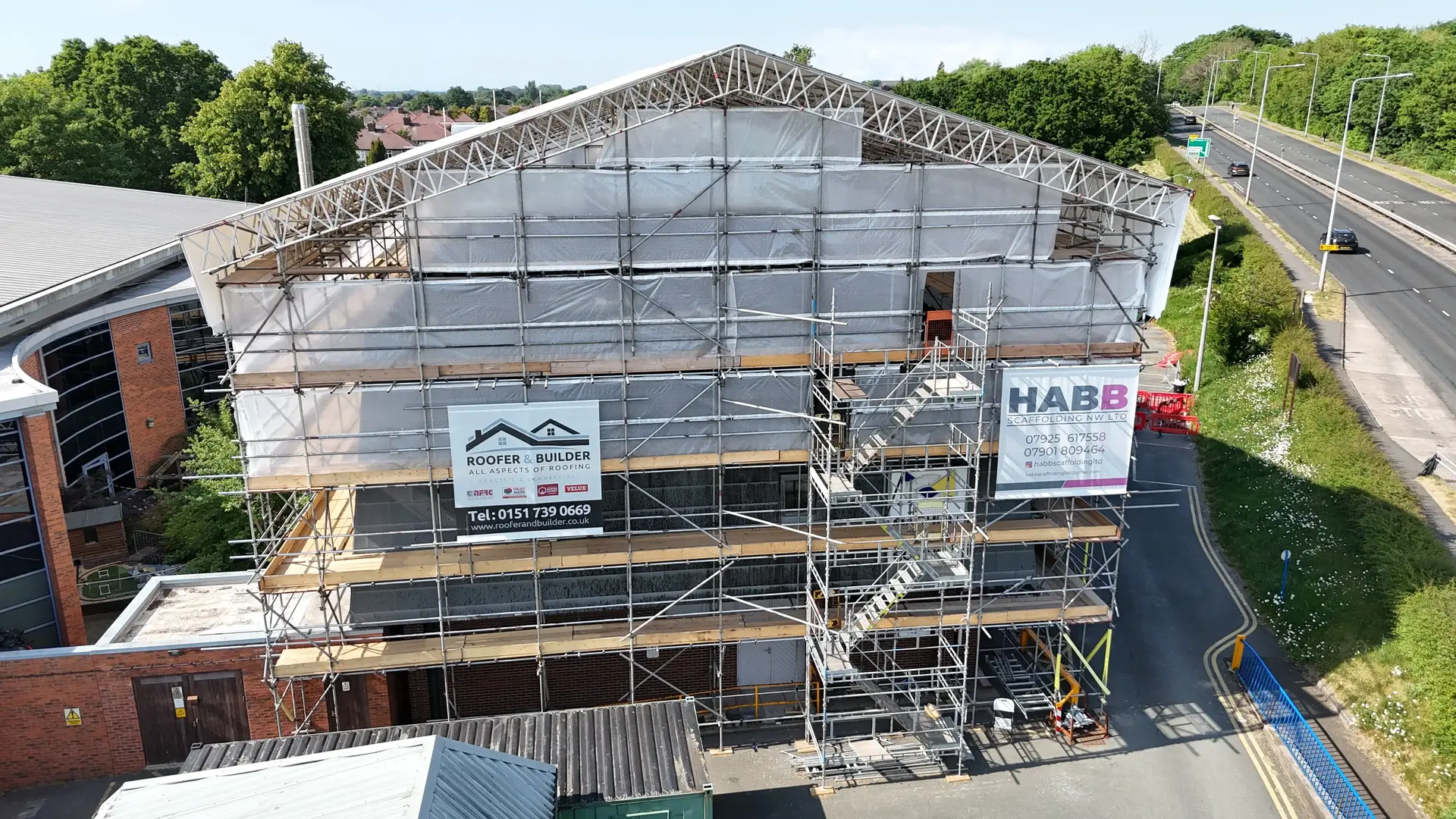
The access we use depends on the height and layout of the roof. On some roofs a closer look at a particular area needs a tower or scaffold, and we will explain if that is the case.
Roof Inspection or Building Survey?
A building survey, such as a RICS Level 2 or Level 3 survey, looks at the whole property, and surveyors generally view the roof from the ground, from windows and from the loft. Where they cannot see it closely, the report will often recommend further investigation by a roofing contractor.
A roofer’s inspection fills that gap, focusing on the roof itself and the repairs it needs, although it is not a substitute for a building survey or a structural engineer’s report. Our article on a roof defect on a home survey explains the next steps.