



Protecting Your Chimney and Surrounding Roof
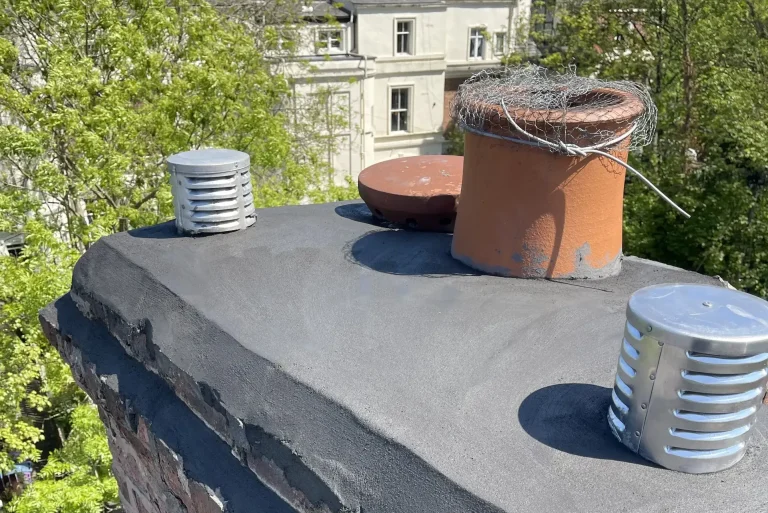
Chimney stacks occupy one of the most exposed positions on a property. Rain, frost, strong winds and temperature changes can gradually affect the mortar, brickwork, flaunching, chimney pots and leadwork.
Early signs of deterioration may include loose mortar, cracked bricks, damp patches around the chimney breast, damaged flashing or a chimney pot that appears to be leaning.
Where the damage is localised, repointing or replacing individual components may restore the chimney. Where the brickwork has become unstable or extensively deteriorated, partial or complete rebuilding may provide a safer and more reliable solution.
Chimney Repairs: What Is Urgent and What Can Be Planned
In short: chimney repairs range from repointing worn joints and renewing cracked flaunching to rebuilding the top of a stack. Loose masonry or a leaning pot needs attention promptly because of the risk of falling debris. Most other chimney defects can be inspected, quoted and planned, ideally before winter.
- Act promptly: pieces of brick or pot on the ground, a stack or pot that has visibly moved, or water running in around the chimney during rain. Keep people away from the area below and call our emergency roofing line.
- Plan soon: joints eroded back from the face of the bricks, cracks in the flaunching, flashing lifting at the edges, or a cowl that has worked loose.
- Keep an eye on: light staining, moss or plants growing on the stack, or a little grit falling into the fireplace.
Damp on a Chimney Breast Is Not Always Rain
Water getting in through the stack is a common cause of damp on a chimney breast, but it is not the only one. Before recommending chimney repairs, we consider other explanations:
- Rain falling down the flue. An open pot with no cap or cowl lets rain drop straight into the chimney, where it soaks into the brickwork lower down.
- Condensation in a sealed flue. When a fireplace is blocked up and the pot is capped solid, moist air trapped in the flue can condense on the cold masonry. This is why a vented cap at the top and a vent where the fireplace was are usually fitted.
- Salts from years of fires. Burning coal and wood leaves salts in the flue and the plaster. They draw moisture from the air, so brown or patchy stains can appear in damp weather even when the stack is watertight. The affected plaster usually needs replacing with a salt-resistant finish once any water entry has been dealt with.
If a stain comes from one of these causes, new brickwork or lead would not cure it, so we look at the room below as well as the stack whenever access allows. Our roof leak repair page explains how we trace water that is coming in from the roof itself.
Shared Chimneys on Terraced and Semi-Detached Homes
On many terraced and semi-detached houses across Merseyside, the chimney stack sits on the party wall and serves fireplaces in both homes. Responsibility for a shared stack is often split between the two owners, but it depends on where the boundary runs and what your title deeds say, so check rather than assume.
In practice, a shared stack is best repaired as one job. Repointing or rebuilding only one half can leave a weak line down the middle and mismatched brickwork, and water entering through a neglected side can still reach the roof next to it. Work to a shared stack can fall under the Party Wall etc. Act 1996, which may mean serving notice before work starts.