




Improving the Thermal Performance of Your Roof
The correct location and type of insulation depends on how the roof space is used.
In a traditional unconverted loft, insulation is commonly installed at ceiling level to reduce heat loss from the rooms below. Where the roof space forms part of the heated living area, such as a loft conversion, the insulation strategy may instead involve the roof slopes, walls and other surrounding elements.
Flat roofs also require careful consideration of the complete roof build-up, including insulation, moisture management and the position of the roof covering.
We assess the existing roof or loft before recommending the appropriate approach, taking account of the construction, intended use of the space and any associated roofing work.
Topping Up Loft Insulation the Right Way
In short: in most unconverted lofts, the aim is an even, unsquashed layer of insulation across the ceiling without blocking the ventilation at the eaves. Around 270 mm is the depth commonly recommended for mineral wool, but getting the details right matters as much as the depth.
- Keep the eaves clear. Insulation pushed hard into the eaves can block the airflow that keeps a cold loft dry. Eaves ventilators or trays hold a gap open above it.
- Protect pipes and tanks. Once the ceiling is insulated, the roof space becomes colder, so water tanks and pipes up there need insulating. The area directly beneath a cold-water tank is usually left uninsulated so a little warmth from below can reach it.
- Insulate and seal the hatch. An uninsulated, draughty hatch lets warm, moist air from the house straight into the roof space.
- Take care around electrics. Recessed downlights and cables need suitable clearance or covers, so they are not buried in insulation in a way that could cause overheating.
If you are planning a new roof, Building Regulations usually require the insulation to be brought up to current standards as part of the work. Our article do I need Building Regulations to replace my roof? explains when this applies.
Signs of Condensation in a Cold Loft
A colder loft is less forgiving of moist air getting into it. Signs of condensation include damp or mould on the underside of the felt and timbers, rusty nail tips and water dripping onto the insulation in cold weather. Common causes include:
- bathroom or kitchen extractor fans ducted into the loft rather than to the outside
- gaps around the hatch, pipes and light fittings letting warm air rise from the rooms below
- eaves blocked by insulation, or no ventilation on a roof with older, non-breathable felt
Adding insulation without dealing with these can make the problem worse, so we check ventilation as part of any insulation work. Our article on damp and mould caused by poor roof ventilation covers the remedies. For flat roofs over heated rooms, our flat roofs page explains warm and cold roof construction.
A Note on Spray Foam Insulation
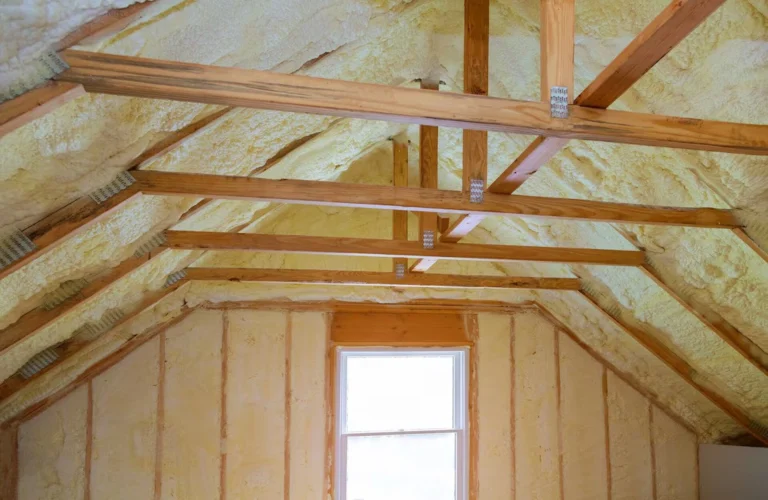
Spray foam applied to the underside of a roof is sometimes sold as a quick way to cut heat loss. In 2023, RICS, the professional body for chartered surveyors, published consumer guidance warning that poorly installed spray foam can restrict ventilation, cause moisture damage to roof timbers and stop surveyors assessing their condition. Some mortgage and equity release lenders have since declined to lend on homes where it has been used.
If you are considering spray foam, get independent advice first. If it is already in your loft and you plan to sell or remortgage, expect a surveyor or lender to ask about it.