




Wavertree's Homes and the Roofs Above Them
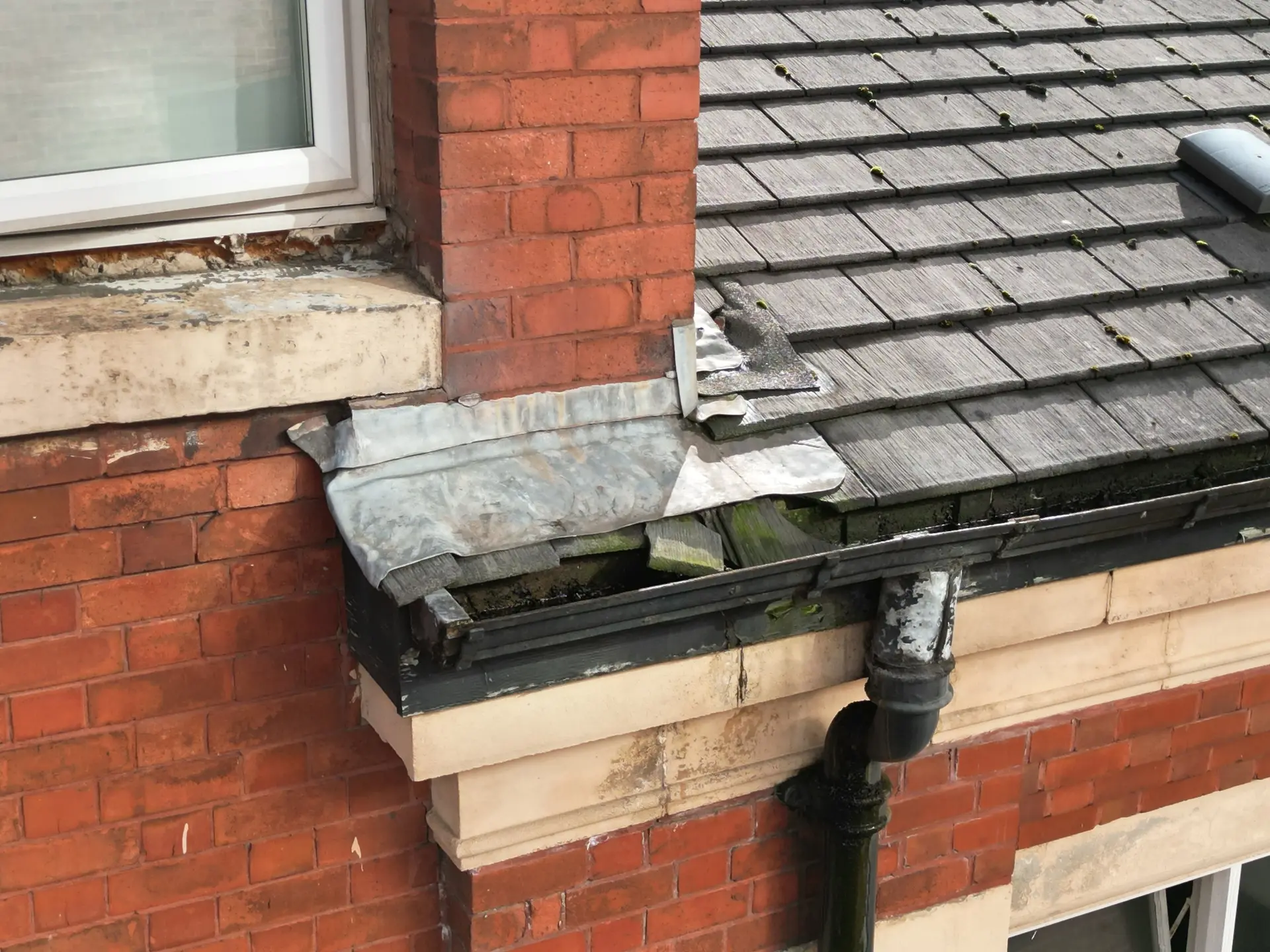
Much of Wavertree was built up in the Victorian and Edwardian period, and the long runs of terraced housing between Smithdown Road and Picton Road still define the area. Most of these houses were built with natural slate roofs, a brick chimney stack on the party wall and a two-storey rear outrigger with its own smaller roof. Where the outrigger meets the main house there is usually a valley, a lead flashing or both, and these junctions are where many leaks begin.
Towards Queens Drive and the Childwall side, the housing shifts to inter-war semis and short terraces with tiled, often hipped roofs, bay windows and front gables. Wavertree Village and the Garden Suburb have a character of their own, covered below.
Terraces, Rented Homes and Shared Roof Details
Many of Wavertree’s terraces are rented, including student lets near Smithdown Road. For landlords, a slow leak into a back bedroom quickly becomes a damp and mould complaint, so we aim to find the actual cause rather than patch the stain. We can provide a written summary of what we found and what we propose, which is useful for your records.
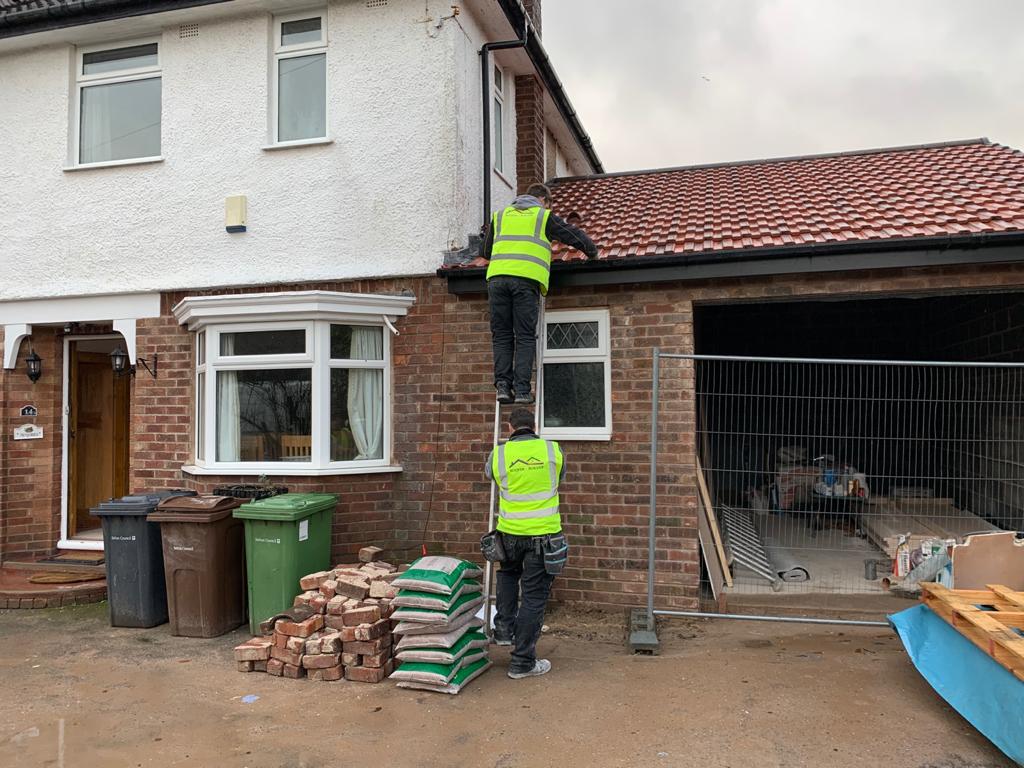
Terraced roofs also involve neighbours. Chimney stacks often straddle the party wall, gutters run continuously along the row, and access to the rear is frequently via a narrow back entry. We plan scaffolding or other edge protection to suit the access, in line with HSE guidance on working at height, and explain anything that may affect the house next door.
Wavertree Village and the Garden Suburb Conservation Areas
Liverpool City Council has designated two conservation areas here: Wavertree Village and Wavertree Garden Suburb. The Garden Suburb was built between 1910 and 1915 as Liverpool’s garden suburb, with wide grass verges and open greens. In conservation areas, alterations to the outside of a building may need planning permission, particularly where an Article 4 direction applies.
In practice, like-for-like repairs are usually straightforward, but changing roof materials, adding rooflights or building a dormer needs checking with the council first. Permitted development rights for loft conversions are not available in conservation areas, so a loft conversion there will need a planning application as well as Building Regulations approval.
Common Roofing Problems in Wavertree
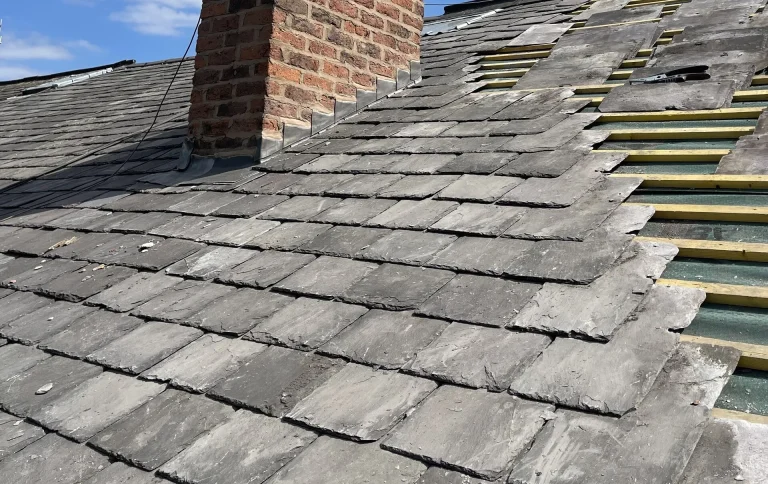
- Slipped slates: on century-old slate roofs, corroded fixing nails let slates slide out of line, often after a windy spell.
- Leaking outrigger valleys: split or slipped lead and debris build-up where the rear roof meets the main slope. See our roof valley repairs.
- Chimney stacks: cracked flaunching, worn pointing and failed flashings around shared stacks. Our chimney stack repairs cover all three.
- Overflowing gutters: blocked or sagging rear gutters soaking the brickwork over the back entry.
- Kitchen extension flat roofs: older felt coverings on single-storey extensions that pond and split.
Emergency Roof Repairs in Wavertree
If water is coming through a ceiling or a storm has lifted slates, call our 24/7 emergency line. Where weather and safe access allow, we make the roof safe with a temporary repair first and complete the permanent repair afterwards. While you wait, move belongings away from the drip, catch the water in a bucket and, if water is near a light fitting, switch that circuit off at the consumer unit. More detail is on our emergency roofing page.
Covering Wavertree from our base at Maghull Business Centre.